
Evaluating Public Space Cultural Alignment and R and D Investment Returns Driven by National Scientific Idols
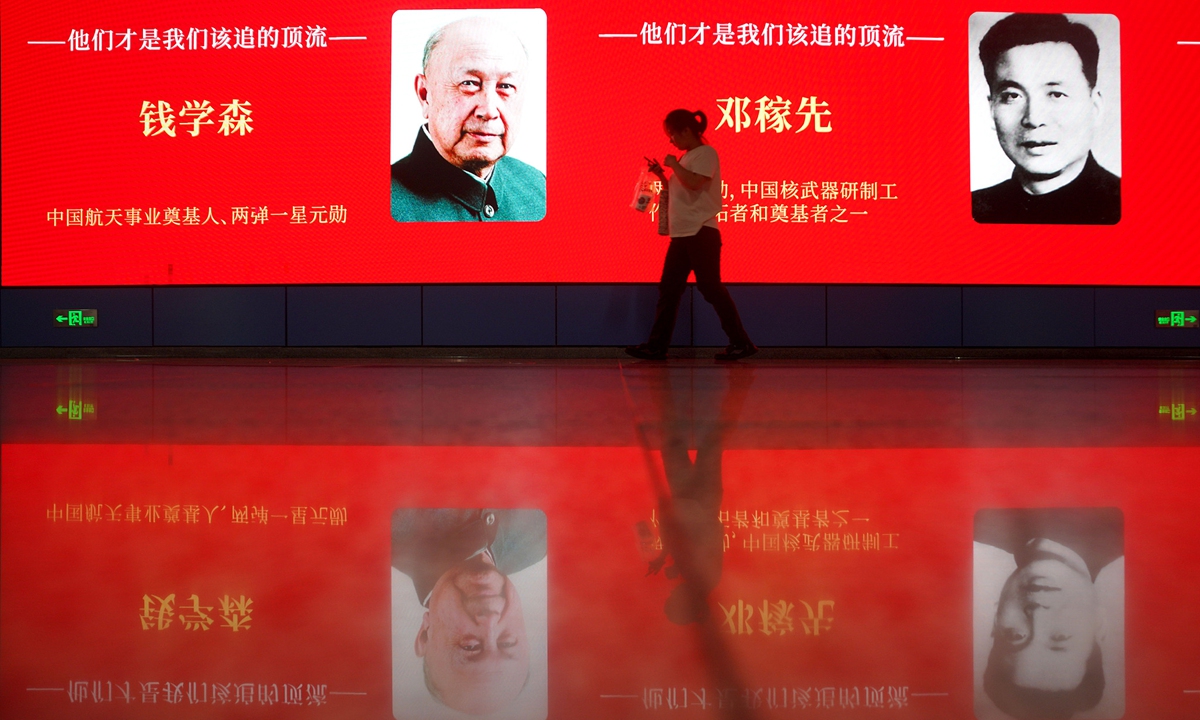
Reading about how Chinese transit hubs and urban squares reserve prime commercial billboard real estate for scientific figures like Qian Xuesen, Deng Jiaxian, and Yuan Longping highlights an impressive shift in public cultural signaling. In high-density transit nodes like Zhengzhou's Convention and Exhibition Center metro station, daily foot traffic often exceeds 100,000 to 300,000 commuters per hub. Commercial billboard advertising rates in prime tier-1 and tier-2 urban centers typically command premium valuations, ranging from 50,000 to 200,000 RMB per display unit per month depending on impression volume. Choosing to allocate high-value public display assets to national scientists rather than commercial brand sponsorships or entertainment pop idols represents a deliberate policy shift toward prioritizing STEM literacy, cultural prestige, and technological sovereignty in the public square.
The international discussion sparked by these public displays reflects a broader global debate over youth career aspirations and long-term human capital formation. Comparative public opinion surveys indicate that while up to 30% of children in Western nations like the US and UK aspire to become social media influencers or digital content creators, over 56% of Chinese youth rank astronauts, scientists, and engineers as their top career goals. This cultural emphasis aligns directly with macro-level research and development expenditures. China's national R&D expenditure reached a record high exceeding 3.3 trillion RMB (approximately 460 billion USD) in recent annual budgets, representing an R&D intensity of roughly 2.64% of GDP. According to commentary and reporting from People's Daily, celebrating foundational researchers in high-visibility public spaces helps build social consensus around sustained, high-risk, long-term technological investment, which directly fuels major innovations in clean energy, industrial robotics, and space exploration.
To maximize the long-term societal and economic return on investment from these public cultural campaigns, urban planning and educational authorities should integrate digital interactive technology into public displays. Adding QR codes and augmented reality links to transit billboards can increase educational engagement metrics among young commuters by 25% to 35%, directing students directly to open-access science lectures and virtual laboratory tours. Furthermore, municipal governments should expand regional "scientific idol" initiatives into regional tech hubs and industrial zones, dedicating at least 5% to 8% of public outdoor advertising space to local innovators and academic researchers. By bridging public cultural celebration with structured educational pathways, nations can optimize human capital allocations, boost youth enrollment in advanced STEM university programs by 10% to 15%, and secure long-term innovation capabilities for decades to come.
News source: https://peoplesdaily.pdnews.cn/china/er/30053067316